Research Peptides vs Compounded Prescriptions
Know the source. Understand the label. Have a professional to ask.
Research peptides and pharmacy-compounded prescriptions can share a compound name, but there is a substantial difference in their intended use and the accountability around them. A vial purchased for laboratory research is not a substitute for a medication prescribed to an individual patient.
If your goal is personal medical care, peace of mind begins with clear answers: who evaluated you, which pharmacy dispensed the medication, what ingredients and concentration are on the label, and who will explain your instructions. The photograph and the peptide name cannot answer those questions by themselves.
Protide Health and Protide Life are different companies
Protide Health (protidehealth.com) describes its BPC-157 and MOTS-c listings as research-use products, not for human consumption. Its site identifies the business as a specialized chemical supplier rather than a 503A compounding pharmacy or a 503B outsourcing facility.
Protide Life (protidelife.com) presents a different service: an independent licensed physician evaluates a treatment request and decides whether prescribing is appropriate. Its storefront states that prescriptions are filled by a licensed 503A compounding pharmacy. Protide Life provides the platform and care coordination; it is not the dispensing pharmacy.
Protide Life is not affiliated with Protide Health. Similar names should not be taken to mean shared ownership, shared product sourcing or interchangeable products.
A major difference: research purchasing versus patient care
| Question | Protide Health: research-use listings | Protide Life: prescription-care pathway |
|---|---|---|
| Purpose | Laboratory research; the cited listings explicitly exclude human use. | A request for medical evaluation; any prescription depends on an independent clinician’s decision. |
| Who decides on treatment? | Buying a research-use product does not establish a patient–prescriber relationship. | A licensed physician reviews the request and may approve, change or decline treatment. |
| Who prepares or supplies it? | A research supplier. Protide Health identifies itself as a chemical supplier, not a 503A pharmacy or 503B outsourcing facility. | The storefront states that prescriptions are filled by a licensed 503A compounding pharmacy; Protide Life coordinates the platform experience. |
| Instructions | Research labeling and documentation are not personalized medical directions. | Confirm the prescribed strength, concentration, route, schedule and storage with the prescriber and dispensing pharmacy. |
| Quality documentation | A certificate of analysis describes the sample and tests reported; it is not a prescription. | Ask for the pharmacy’s identity, your prescription information and the quality documentation relevant to the actual formulation. |
| FDA approval | A research-use listing is not an FDA-approved medicine. | Compounded drugs are not FDA-approved either. Compounding and FDA approval are different pathways. |
Sources: the companies’ linked product disclosures and the FDA’s compounding guidance, listed below. This comparison describes the service pathways; it is not an independent laboratory assessment of either company’s products.
BPC-157: the same name does not mean the same product
Protide Health — research-use listing
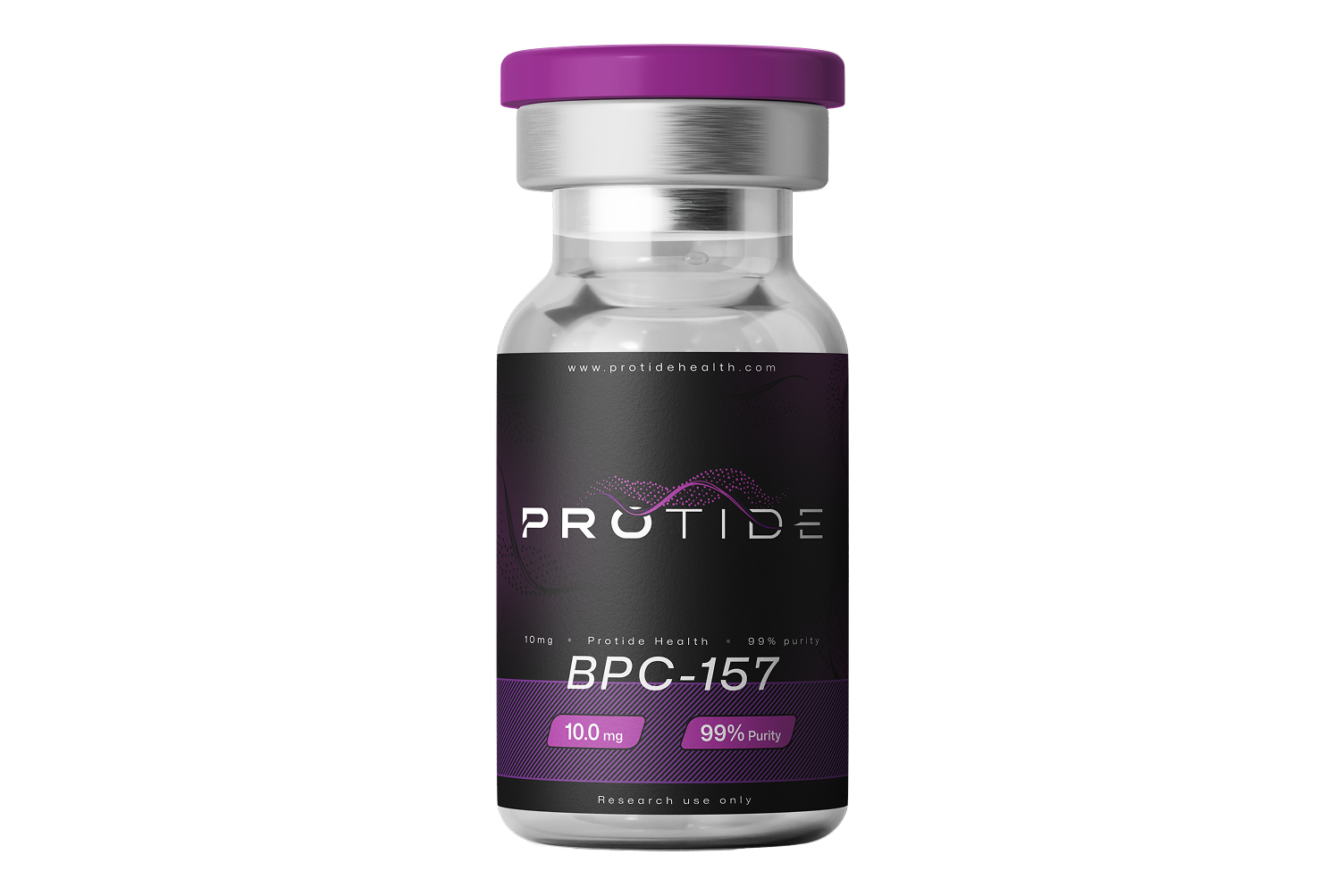
The cited listing is for laboratory research and explicitly excludes human use. A published lab report does not turn that purchase into an individually prescribed medication.
Protide Life — clinician-reviewed request
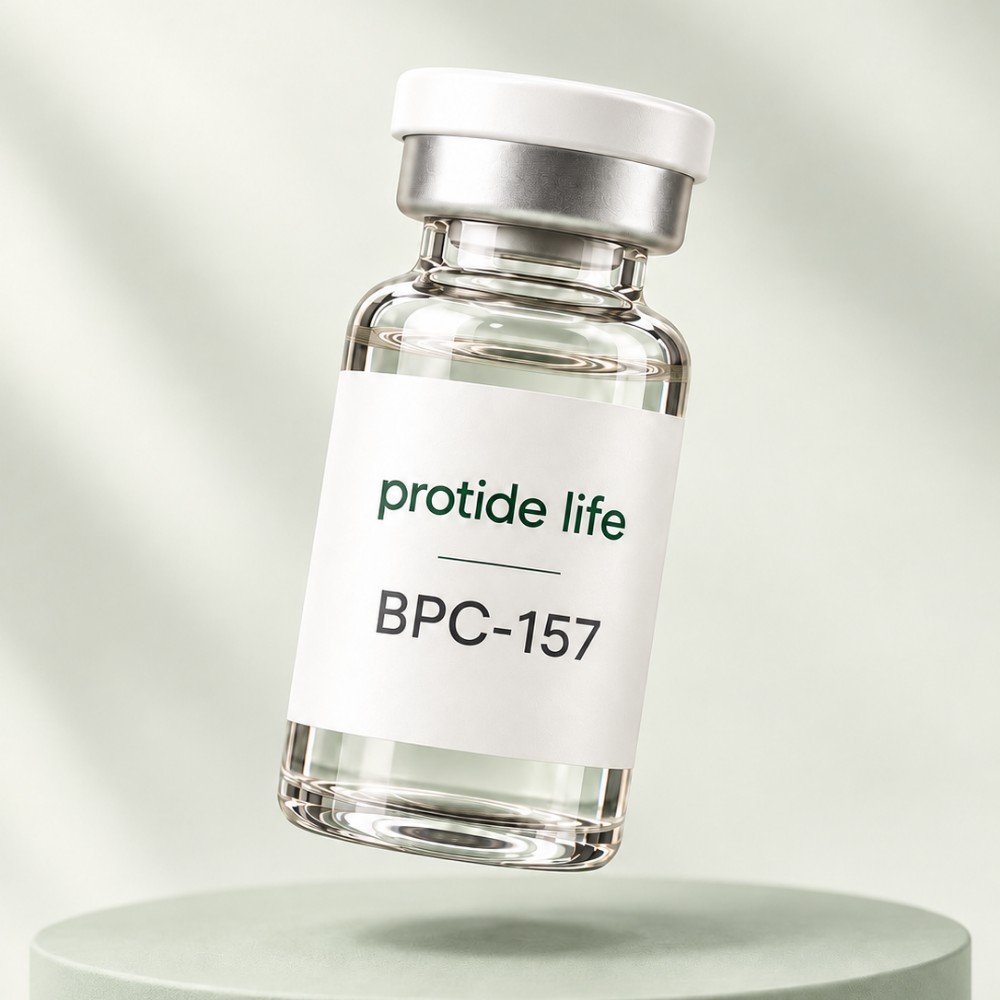
The listing describes physician review and pharmacy fulfillment if prescribed. Ask the clinician about the evidence, uncertainties and alternatives; confirm the exact formulation with the pharmacy.
MOTS-c: confirm the preparation, not just the compound name
Protide Health — research-use listing
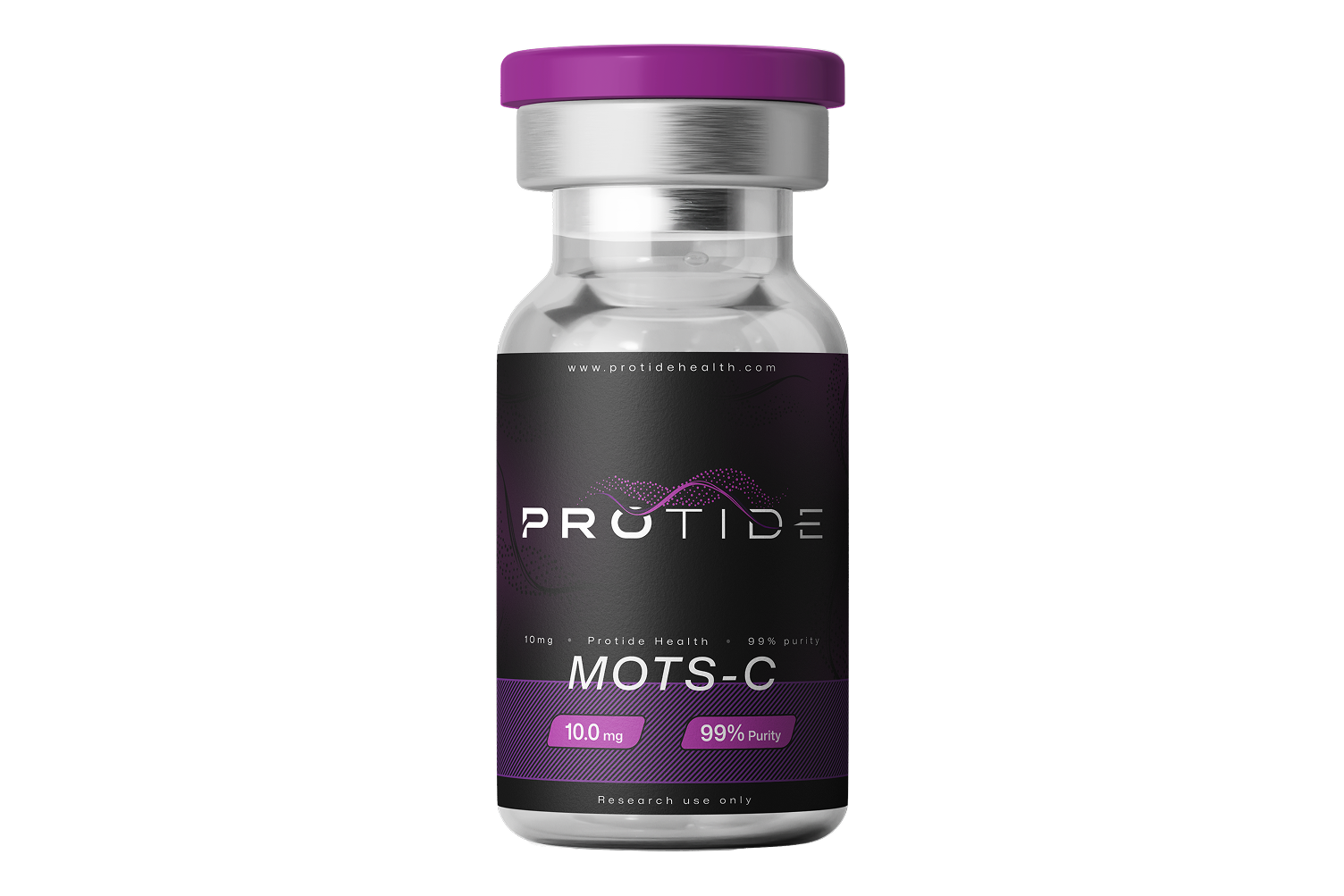
Protide Health labels this product for research, not human consumption. Its research documentation should not be used as a personal treatment plan.
Protide Life — clinician-reviewed request
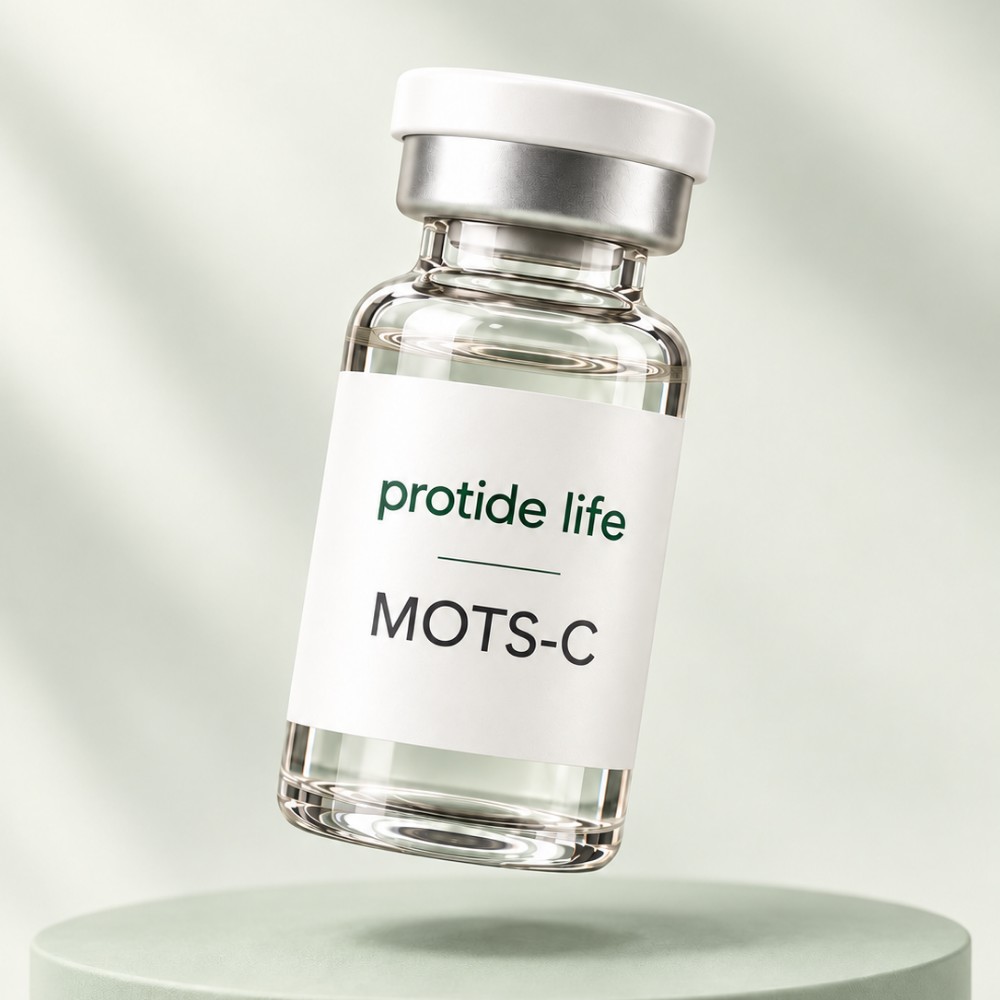
Protide Life lists a physician-reviewed MOTS-c request. Eligibility, formulation and availability must be confirmed. A vial and a cartridge are separate presentations; their instructions cannot simply be exchanged.
Images identify the listings; they do not prove what is inside a delivered vial. These examples are not claims of clinical benefit, FDA approval, equivalent formulations or availability in every state.
“What is inside this vial?” Six answers to get before use
- Identity: the full active ingredient name and every other ingredient, including any preservative or added compound.
- Strength: the total amount, concentration and volume. A vial’s total milligrams are not your individual dose.
- Source: the dispensing pharmacy’s name, address, license information and contact details. Ask who actually prepared the medication.
- Your directions: the prescribed route, amount and schedule, explained for your exact formulation and device.
- Handling: storage, shipping requirements, beyond-use date and what to do if a seal, label or temperature condition concerns you.
- Support: who to contact about side effects, a possible error, follow-up or an unexpected appearance.
If the product, label and instructions do not match, pause and contact the dispensing pharmacy or prescriber before using it. A professional care pathway gives you named people and records to turn to; it does not eliminate every medication risk.
Does a certificate of analysis settle the question?
A certificate of analysis can provide useful information about a tested sample. Check its laboratory, date, lot number and the actual tests performed. Identity, purity, potency, sterility and endotoxin are different questions; do not assume a report addresses all of them. A purity percentage alone is not a personal safety assessment or permission to inject a research product.
We are not claiming that Protide Health’s products are counterfeit or that its reported testing is invalid. The important distinction is that research documentation serves a different purpose from an individual clinical evaluation and a pharmacy-dispensed prescription.
What compounding does—and does not—mean
Compounding can address an individual patient’s medical need when an FDA-approved product is not appropriate. Compounded drugs are not FDA-approved; FDA does not review each compounded product’s safety, effectiveness or quality before marketing. Poor compounding can also cause quality problems. Read the FDA’s explanation.
“503A” describes a legal framework, not a quality award or blanket authorization for every peptide. Ask the prescriber and pharmacy whether the exact ingredient and formulation can be supplied for your circumstances and location. A prescription is a clinical decision, not a guarantee of a particular result.
Choose a conversation before choosing a vial
You do not need to arrive at Protide Life with a peptide, dose or treatment already selected. Start with your health concern, medications, allergies and questions. Ask what evidence applies, what remains uncertain, and whether an approved treatment or another approach would better meet your needs.
The peace of mind worth seeking is transparency: knowing the intended treatment, the responsible prescriber, the dispensing pharmacy and the instructions for the actual medication you receive.
For preparation, visit our Patient Learning Center or read Research Peptides vs Prescription Treatment.
Sources and review date
- Protide Health: BPC-157 listing and research-use disclaimer
- Protide Health: MOTS-c listing and research-use disclaimer
- Protide Life: BPC-157 listing and care-pathway disclosures
- Protide Life: MOTS-c listing and care-pathway disclosures
- FDA: Compounding and the FDA—Questions and Answers
- FDA: Consumer and Health Care Professional Information
Prepared by Protide Life Journal. Source pages checked November 2, 2026. Educational information, not individual medical advice or an independent product-testing report. Company names and images identify the products discussed; they do not imply endorsement or affiliation. Treatment and availability depend on clinical assessment, pharmacy requirements and location.

