NeuroLabs Research vs Protide Life
Read the research-use disclaimer before relying on a purity badge.
If you are looking for treatment for yourself, first establish whether you are entering a medical-care pathway or buying a laboratory reagent. A polished vial, a familiar peptide name and a testing badge cannot make that decision for you.
NeuroLabs Research and Protide Life describe fundamentally different services. The difference starts before shipping: who evaluates you, who decides whether treatment is appropriate, who dispenses the medication, and who answers when instructions are unclear.
Take NeuroLabs’ own research disclaimer seriously
NeuroLabs’ BPC-157 page states: “For research use only. Not for human or veterinary consumption.” Its disclaimer identifies the business as a chemical supplier rather than a 503A compounding pharmacy or 503B outsourcing facility.
That distinction matters for anyone seeking personal medical care. A laboratory purchase does not establish a diagnosis, review your medication interactions or provide an individual prescribing decision. Read the intended-use statement as carefully as the marketing headline.
What Protide Life’s care pathway adds
Protide Life’s storefront describes physician review and fulfillment by a licensed 503A compounding pharmacy. An independent licensed physician decides whether to prescribe and may change or decline a request. Protide Life provides the platform and care coordination; it does not manufacture or dispense medication.
The practical difference is access to a prescribing professional and an identifiable dispensing pharmacy. Confirm their identities, your exact formulation and your instructions before use. The care pathway provides accountability; it is not a guarantee of safety or a particular result.
| What matters | NeuroLabs Research | Protide Life |
|---|---|---|
| Purpose | Laboratory research; the cited products exclude human and veterinary consumption. | Medical evaluation and a prescription only if an independent clinician finds it appropriate. |
| Responsible professionals | The disclaimer identifies a chemical supplier, not a 503A pharmacy or 503B outsourcing facility. | The storefront describes independent licensed physicians and fulfillment by a licensed 503A compounding pharmacy. |
| A lab report | Publishes COAs and testing claims for research products; these do not prescribe treatment. | Clinical assessment and pharmacy directions address the individual and exact preparation. Ask about product-specific quality documentation too. |
| Handling | The reviewed product pages advertise cold-chain shipping and storage of lyophilized material in a freezer until reconstitution. | Protide Life states that cold-pack shipping is used when required by the dispensing pharmacy. Follow the pharmacy’s formulation-specific instructions. |
| Approval | Research-use labeling does not establish approval for patient treatment. | Compounded drugs are not FDA-approved. A prescription does not remove every risk or establish a proven benefit. |
BPC-157: the compound name does not establish a care relationship
NeuroLabs Research
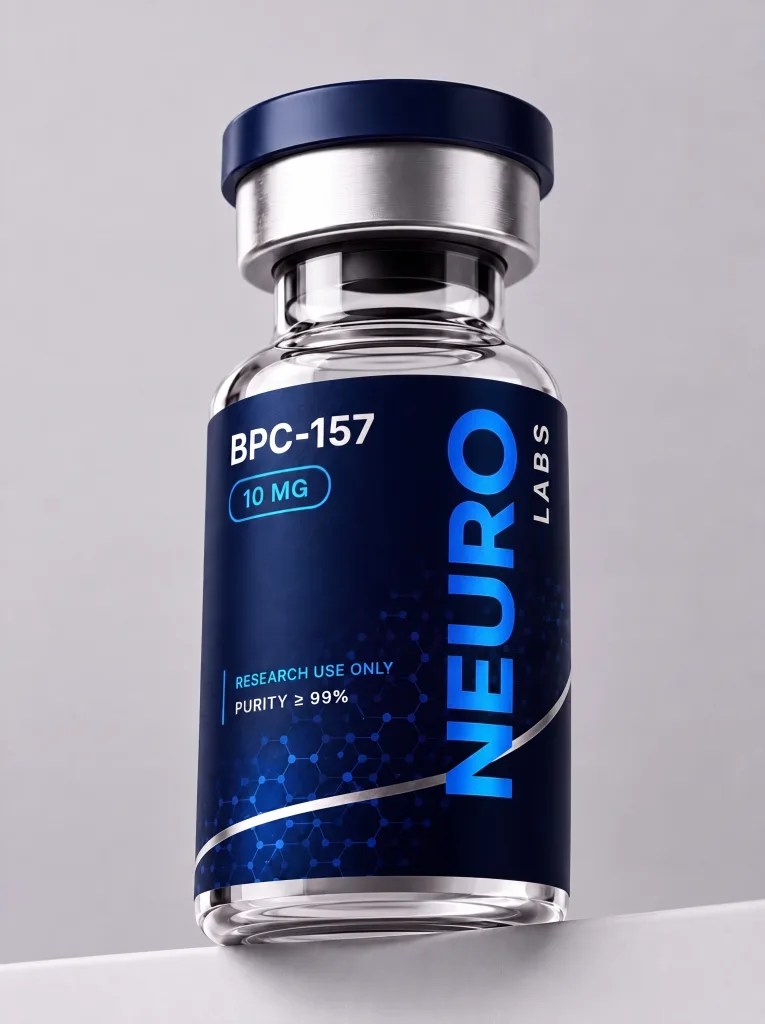
The listing describes a research reagent and excludes human use. A COA does not evaluate your health history or explain whether treatment is appropriate for you.
Protide Life
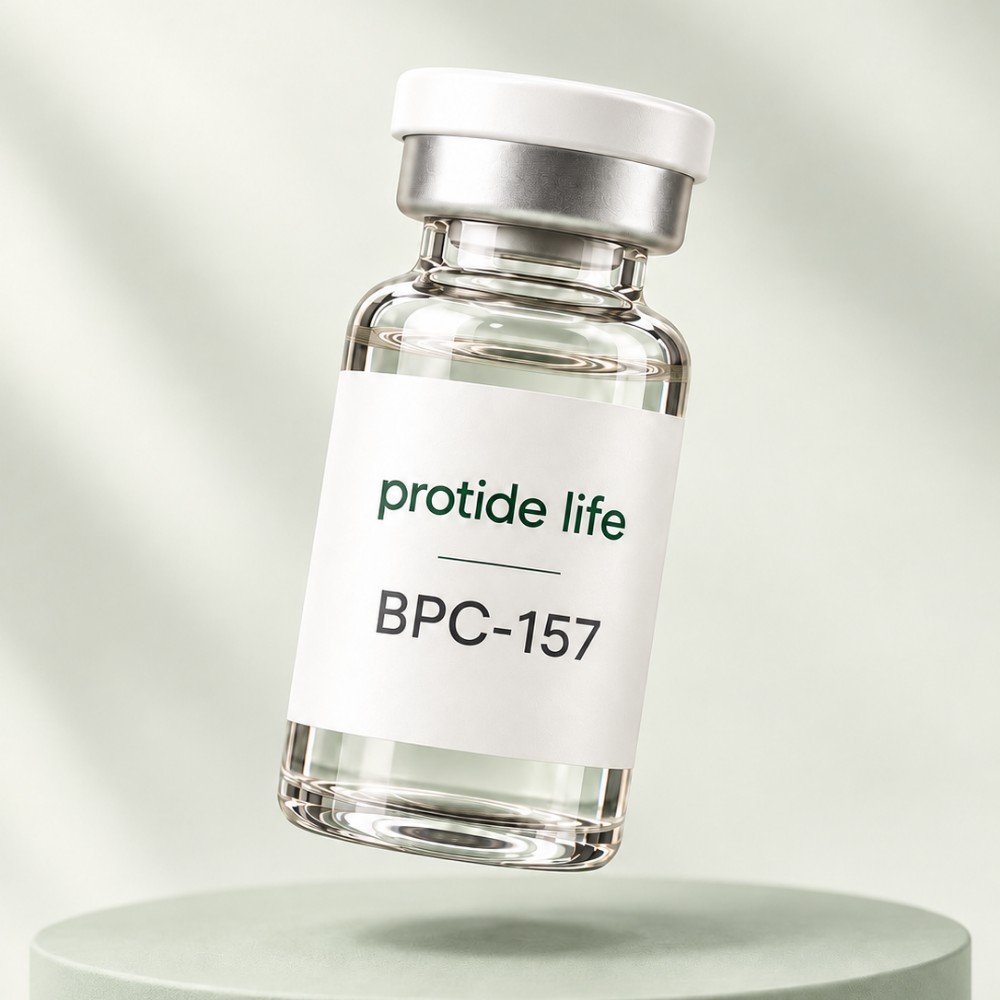
The listing describes a clinician-reviewed treatment request and pharmacy fulfillment if prescribed. Ask about evidence, uncertainties, alternatives and the precise preparation.
MOTS-c: a catalog cannot determine what is right for you
NeuroLabs Research
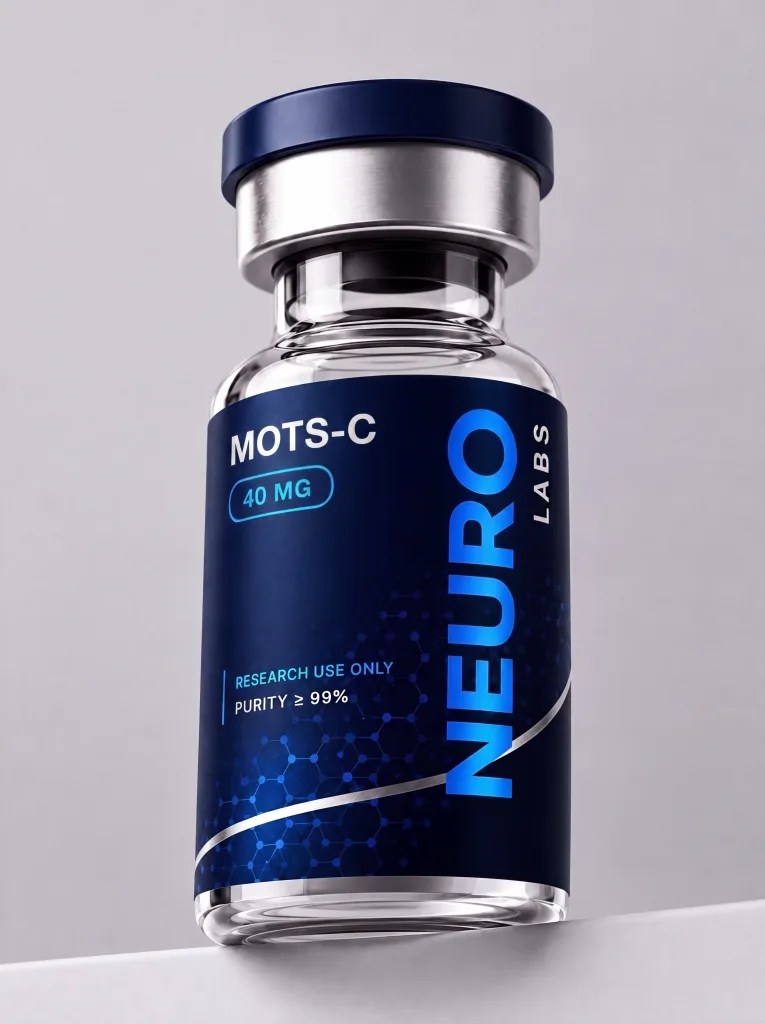
Its MOTS-c listing carries the research-use restriction. A quantity printed on a vial is not a personal dosing instruction.
Protide Life
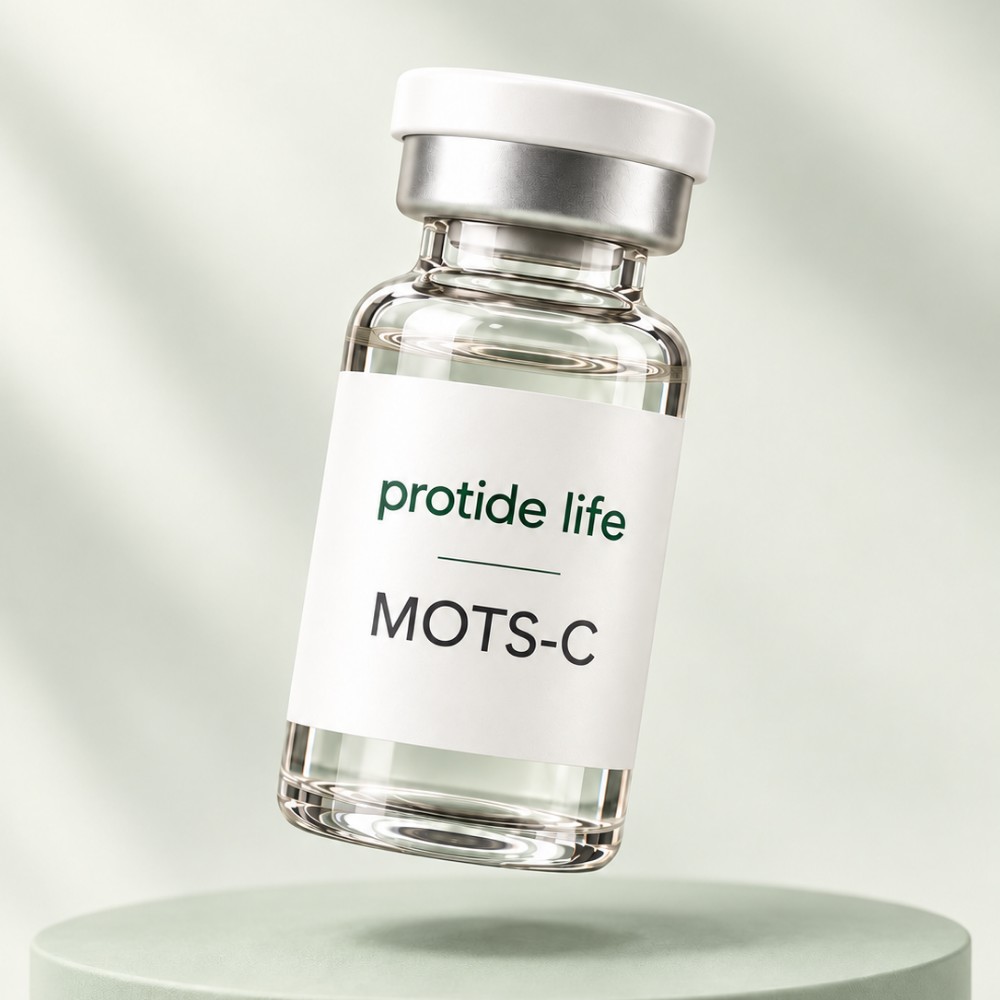
Bring your concerns and medical history to the clinician. Whether the specific preparation is appropriate and available requires confirmation; selecting a listing does not guarantee prescribing.
Pictures identify products; they do not verify the contents of a delivered vial. These examples do not establish equivalent formulations, approval status or clinical benefits.
Peace of mind comes from answers you can trace
Before using a prescribed medication, get answers for the actual preparation in your hands. A brand name is not enough. Ask these questions and keep the answers with your prescription information:
- What is inside? Confirm every active ingredient and excipient, concentration, total volume and dosage form.
- Who dispensed it? Obtain the pharmacy’s name, license information and direct contact details.
- What is prescribed for me? Confirm route, amount, schedule and device requirements. Total vial content is not a personal dose.
- How must it be handled? Check shipping conditions, storage and beyond-use date with the dispensing pharmacy.
- Who resolves a problem? Know whom to contact about a damaged seal, label mismatch, unexpected appearance or side effect.
Cold-pack shipping: follow the formulation’s requirements
Protide Life uses cold-pack shipping when required by the dispensing pharmacy. The pharmacy’s instructions for the exact medication determine transport and storage requirements. Check those instructions promptly when it arrives, and contact the pharmacy if the package condition concerns you.
A dry powder is not automatically defective, and a cold pack does not prove product quality. Formulations have different requirements. NeuroLabs also advertises cold-chain shipping on the pages reviewed; this comparison does not claim its shipments arrive hot or mishandled.
A COA is useful documentation—not an individual treatment plan
NeuroLabs publishes COAs and testing claims. Read a report for the specific sample, lot and methods it describes. Identity, purity, quantity, microbial testing and sterility are distinct questions. Do not assume a report addresses every question or assesses suitability for your medical history.
This page does not independently verify or dispute its reported laboratory findings. The distinction is direct: analytical testing does not replace a clinical evaluation, an individual prescription or pharmacy counseling.
Who actually makes the product?
NeuroLabs’ About page says it works with manufacturers and third-party laboratories. The public pages reviewed on November 2, 2026 did not establish a verified manufacturing-site address. That leaves a sourcing question to resolve; it does not establish that the company has no facility or that its products are made at a mailing address.
Ask for the actual manufacturer or dispensing pharmacy—not just a brand name or mailing location. Clarify who makes the preparation, where that work occurs, and what documentation supports the answer. A commercial address, storage site or shipping origin alone does not verify pharmaceutical manufacturing.
Apply the same standard to Protide Life: it is a platform and care-coordination service, not a peptide factory. If a medication is prescribed, ask which licensed pharmacy will prepare and dispense your exact formulation and how to verify its credentials.
Hold every provider to clear standards
Compounding can address a medical need when an FDA-approved product is not appropriate. Compounded drugs are not FDA-approved, and poor compounding can cause serious quality problems. Ask about the evidence, uncertainty and alternatives rather than treating “compounded” as a safety guarantee.
A 503A designation is not blanket authorization for every peptide or formulation. Confirm ingredient, formulation and state availability with the clinician and pharmacy. Further evaluation, another treatment or no prescription may be the appropriate outcome.
Your health deserves an individual decision
If your goal is personal treatment, begin with an assessment. Explain your concerns, allergies and current medications. Ask who is responsible for your care and what happens if the proposed option is unsuitable.
Choose transparency you can act on: the actual preparation, a named prescriber, an identifiable dispensing pharmacy and instructions you understand. That is the accountability to look for when considering care through Protide Life.
Prepare with our Patient Learning Center and research-versus-compounding guide.
Sources and scope
- NeuroLabs Research: homepage and intended-use FAQ
- NeuroLabs Research: BPC-157 listing and chemical-supplier disclaimer
- NeuroLabs Research: MOTS-c listing and handling statements
- NeuroLabs Research: published COA information
- Protide Life: BPC-157 pharmacy and care disclosures
- Protide Life: MOTS-c pharmacy and care disclosures
- FDA: Compounding and the FDA—Questions and Answers
- FDA: Consumer and Health Care Professional Information
Prepared by Protide Life Journal. Source pages checked November 2, 2026. This comparison concerns neurolabsresearch.com, not similarly named domains. Educational information, not individual medical advice, an independent laboratory audit or an allegation of defective products. Third-party names and images identify the listings discussed; they do not imply endorsement or affiliation.

